Obsidian and Logseq both keep your notes on your own device and both let you link ideas together. This guide is for people who want a private, linked knowledge base and can't decide between the two. We compared their approach, price and platforms using official sources, checked on 2026-11-01.
1 Page-based notes and a customisable vault
Obsidian
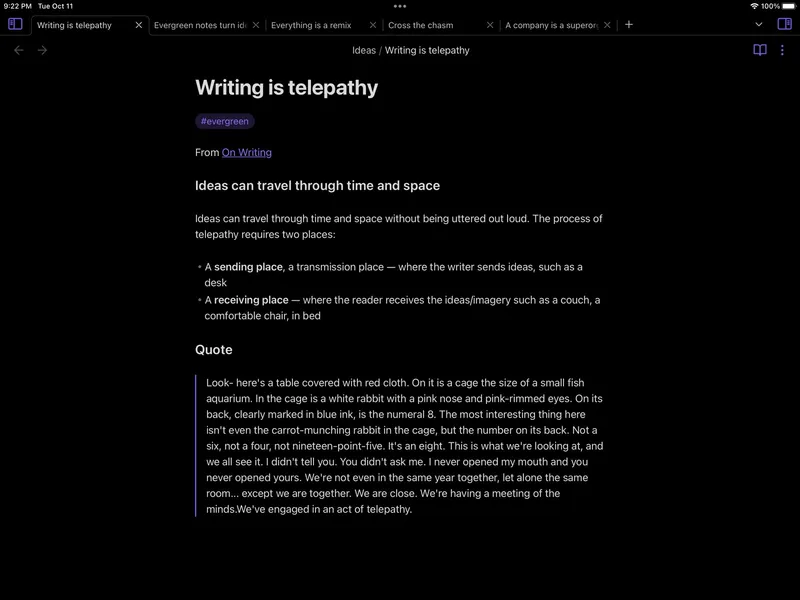
Free for personal use; Sync and Publish are paid add-ons Obsidian is a note-taking and knowledge-management app built around a local vault of plain-text Markdown files. You write full pages, link them together, and explore the connections in a graph view. Plugins and themes let you change almost everything about how it looks and works. The core app is free; Obsidian Sync and Publish are optional paid services, and a commercial licence is listed at $50/user/year.
Pick it if you think in documents and pages and want a polished app you can extend with plugins.
2 Outlining, journals and block-level thinking
Logseq
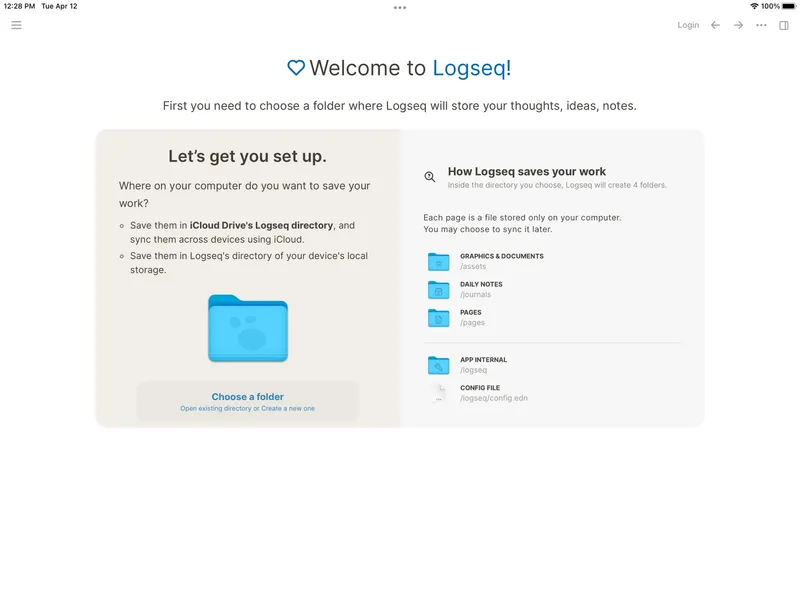
Free and open source Logseq is a local-first, open-source knowledge base and outliner. Every note is a set of bullet points you can nest, link and reference. It is built around daily journals, and it also handles tasks, PDF annotation and flashcards. Your graph stays on your own device. Logseq's official pages describe Sync as offered to supporters through recurring contributions, with no public subscription price listed, so plan on using the free core app.
Pick it if you like writing in bullets, start most thinking in a daily journal, and want an app that is fully open source and free.
Both are strong choices for private, linked notes. Pick Obsidian if you prefer pages, want a large plugin ecosystem, or may later pay for simple official sync. Pick Logseq if you prefer outlining and daily journals, or if open source matters to you. Since both keep files locally, you can try each with little risk.